
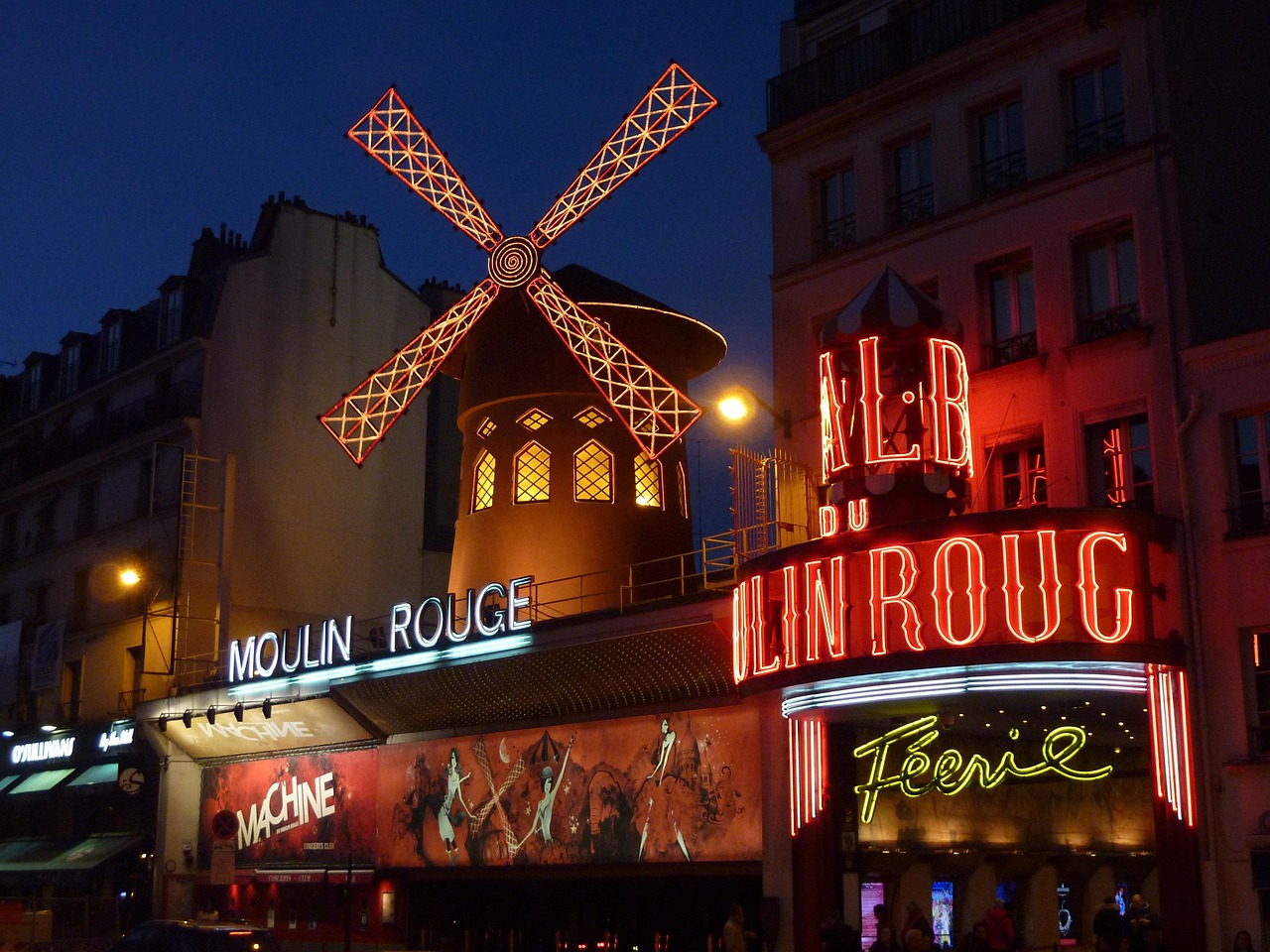
Red-light districts are often associated with nightlife, adult entertainment, and cultural curiosity. Found in many major cities around the world, these neighborhoods range from vibrant and tourist-friendly to more discreet and locally focused. While attitudes toward red-light areas vary by culture and country, they’ve become well-known parts of the cities they inhabit, drawing visitors interested in everything from neon-lit bars to the social dynamics surrounding them.
Amsterdam, Netherlands – De Wallen
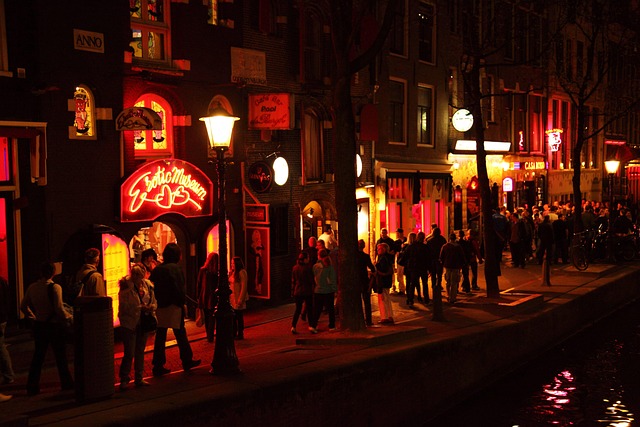
De Wallen in Amsterdam is perhaps the most iconic red-light district in the world. Located in the city’s historic center, it features window-front rooms where sex workers legally advertise their services. What sets De Wallen apart is its openness and regulation. The area also includes museums, bars, adult theaters, and even a Red Light Secrets Museum. Tourists often visit not only for the adult offerings but also to understand the city’s progressive approach to sex work.
Bangkok, Thailand – Soi Cowboy and Patpong
Bangkok has several red-light areas, with Soi Cowboy and Patpong being the most famous. Soi Cowboy is a brightly lit street filled with go-go bars and nightclubs, attracting tourists from all over the world. Patpong, located in the Silom area, is equally famous and features both adult entertainment and a bustling night market. Thailand’s red-light districts are lively and often part of larger nightlife scenes, drawing crowds looking for both entertainment and cultural exploration.
Hamburg, Germany – Reeperbahn
Known as the “Sinful Mile,” Hamburg’s Reeperbahn is located in the St. Pauli district and is one of Europe’s most famous red-light areas. Alongside adult theaters and clubs, the Reeperbahn also features music venues, bars, and theaters. It has a storied past, including being the place where The Beatles got their early start. Despite its reputation, it’s a well-patrolled and widely accepted part of the city’s cultural life.
Tokyo, Japan – Kabukicho
Kabukicho in Shinjuku is Tokyo’s main entertainment and red-light district. Known for its neon signs, host and hostess clubs, love hotels, and adult-themed entertainment, Kabukicho is dense, fast-paced, and open almost all night. While prostitution is illegal in Japan, many adult services operate under different categories. Visitors are often drawn to the unique blend of nightlife, themed bars, and Tokyo’s organized and high-tech urban culture.
Las Vegas, USA – The Strip (and Beyond)
While Las Vegas doesn’t have an official red-light district, it’s often considered the entertainment capital of the U.S. and has a reputation for adult nightlife. Strip clubs, escort services, and adult shows are widespread, especially along The Strip. Nearby counties in Nevada where prostitution is legal also influence the city’s image. The adult entertainment in Vegas is flashy and commercialized, integrated with the city’s broader tourism and casino industries.
Conclusion
Red-light districts reflect the unique cultural and legal landscapes of the cities they belong to. While they remain controversial in some places, they’re also sites of complex social interaction, tourism, and nightlife. Whether visited out of curiosity, cultural interest, or entertainment, these areas offer a glimpse into how different societies view adult work and leisure. When visiting, respect for local customs and laws is essential to ensure a safe and responsible experience.
Comments are closed.